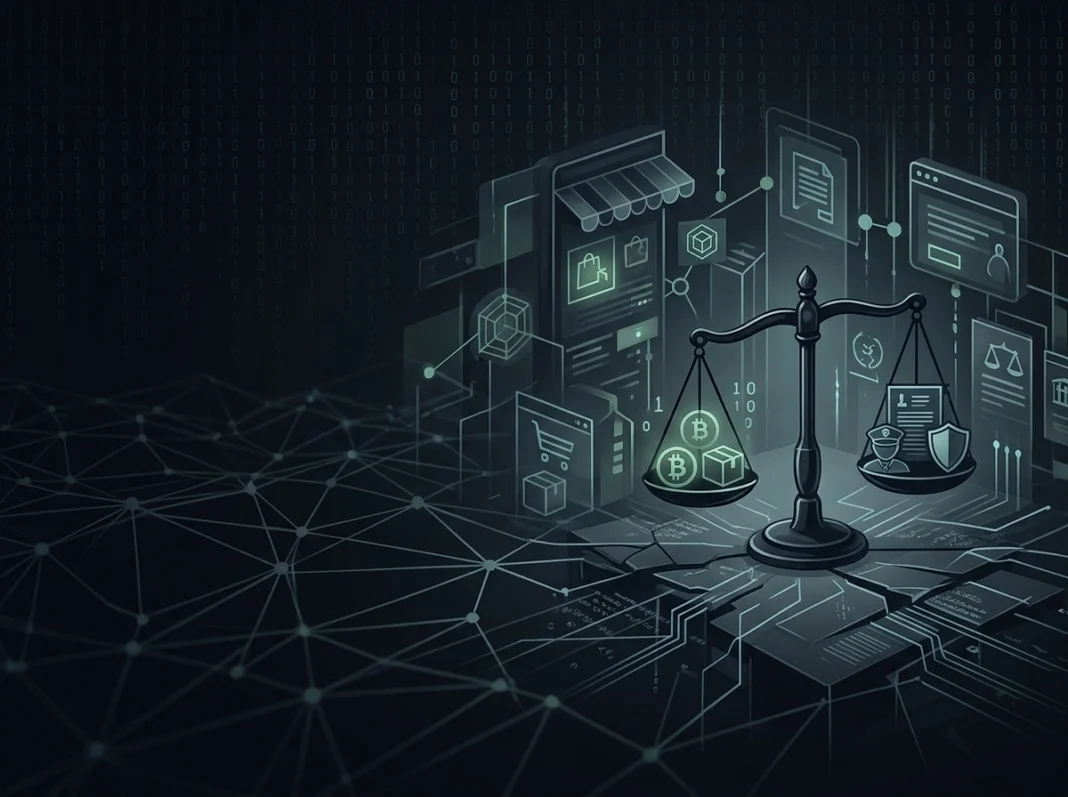
The internet has transformed nearly every aspect of commerce, and the trade of illicit substances is no exception. Over the past decade, the traditional image of narcotics distribution has shifted significantly. Transactions that once took place in physical locations are increasingly moving to digital platforms. This transition has created a highly complex environment for regulators, lawmakers, and public health officials.
A prominent example of this shift is CharlieUK, a UK-based vendor that has operated within closed-access marketplaces since 2015. Known for maintaining a low-profile presence, utilizing encrypted communications, and relying on standard postal services, operations like this highlight the sophisticated methods used to bypass traditional law enforcement. By prioritizing consistent communication and discreet packaging over aggressive promotion, digital vendors have established trust-based networks that are remarkably resilient.
Understanding how these digital markets operate is the first step in addressing the massive challenges they present. This article explores the evolution of online drug markets, the technological barriers to effective regulation, and the ongoing efforts to manage this modern public safety issue.
The Evolution of Digital Narcotics Distribution
The concept of buying and selling illicit drugs online first gained global attention with the rise of the Silk Road in the early 2010s. This massive darknet market operated much like a traditional e-commerce site, complete with vendor ratings, reviews, and shopping carts. When law enforcement eventually shut it down, the market did not disappear. Instead, it fractured and evolved.
Modern digital distribution has moved away from centralized, high-profile mega-markets. Today, the landscape is populated by smaller, decentralized operations. Vendors now frequently utilize closed-access marketplaces or operate independently through encrypted messaging applications. They build their customer base slowly, relying on forum reputations and returning buyers. This minimalist approach reduces their digital footprint, making it significantly harder for authorities to locate and dismantle their operations.
Regulatory Hurdles in Tracking Online Transactions
One of the most significant barriers to regulating online drug markets is the financial infrastructure that supports them. Traditional financial institutions are bound by strict Know Your Customer (KYC) and Anti-Money Laundering (AML) regulations. In contrast, digital narcotics markets rely almost entirely on cryptocurrencies.
While early markets primarily used Bitcoin, the transparent nature of its public ledger allowed forensic accountants to trace transaction paths. In response, vendors began adopting privacy-focused coins like Monero (XMR), which obscure the sender, receiver, and transaction amount. Even when Bitcoin is used, sophisticated mixing services tumble the funds, breaking the link between the buyer and the seller. For regulatory bodies, tracing these anonymized financial flows requires immense computational resources and specialized expertise, creating a severe bottleneck in investigations.
Law Enforcement Challenges and Global Jurisdictional Issues
The internet operates without borders, but law enforcement agencies are strictly bound by them. This jurisdictional mismatch is a primary challenge in dismantling online drug networks. A single transaction might involve a buyer in the United Kingdom, a vendor hosting their encrypted email server in Switzerland, and a product sourced directly from South America.
When investigators attempt to seize servers or arrest key figures, they must navigate complex international treaties and secure cooperation from foreign governments. Some nations lack the resources to assist, while others may lack the legal framework to prosecute digital crimes effectively. Vendors are highly aware of these jurisdictional gaps and intentionally distribute their operations across multiple countries to maximize legal friction.
The Role of Technology in Anonymizing Sales
Technology is the backbone of the modern digital drug trade. Beyond cryptocurrency, vendors utilize a suite of privacy tools to shield their identities. Encrypted email providers, such as ProtonMail, ensure that communications regarding orders and shipping addresses cannot be intercepted or read by third parties.
Furthermore, the physical delivery of these products relies heavily on the sheer volume of global mail. Vendors often dispatch their goods using standard domestic postal services, taking advantage of next-day delivery networks. Postal services process millions of parcels daily. Without specific, actionable intelligence, finding a discreetly packaged, vacuum-sealed envelope among millions of legitimate letters is virtually impossible. The combination of digital anonymity and reliance on legitimate physical infrastructure creates a robust shield against detection.
Impact on Public Health and Safety
The rise of online drug markets carries profound implications for public health. On one hand, some proponents argue that digital markets reduce the physical violence associated with street-level drug dealing. Vendors also frequently claim to wash and purify their products to build consumer trust and maintain their forum reputations.
However, the fundamental reality remains that these substances are entirely unregulated. Buyers have no legal recourse or reliable verification regarding the purity or safety of the drugs they purchase. The ease of access provided by the internet also means that highly potent substances, including synthetic opioids and adulterated chemicals, can be delivered directly to a user’s doorstep. This accessibility exacerbates the risks of accidental overdoses and complicates the efforts of public health professionals trying to track and manage substance abuse trends.
Future Outlook and Potential Solutions
Addressing the complexities of online drug markets requires a multi-faceted approach. Law enforcement agencies are increasingly investing in advanced blockchain analytics and artificial intelligence to map out criminal networks. By analyzing behavioral patterns across different forums and tracking the movement of funds through cryptocurrency exchanges, investigators can identify high-value targets.
Additionally, international cooperation is improving. Task forces that combine the resources of multiple nations are becoming more common, allowing authorities to execute synchronized takedowns of digital infrastructure. On the postal front, investments in advanced screening technologies and machine learning algorithms are helping customs agencies identify suspicious packages more effectively without slowing down global commerce.
The Road Ahead for Digital Regulation
The regulation of online drug markets is an ongoing cat-and-mouse game. As authorities develop new methods to track and disrupt these networks, vendors continuously adapt, finding new technologies and operational strategies to maintain their anonymity.
Tackling this shadow economy requires more than just aggressive law enforcement. It demands a comprehensive strategy that includes modernizing international legal frameworks, enhancing digital forensic capabilities, and implementing robust public health initiatives. Until authorities can match the agility and borderless nature of these digital enterprises, the challenge of regulating online drug markets will remain a defining issue of the digital age.