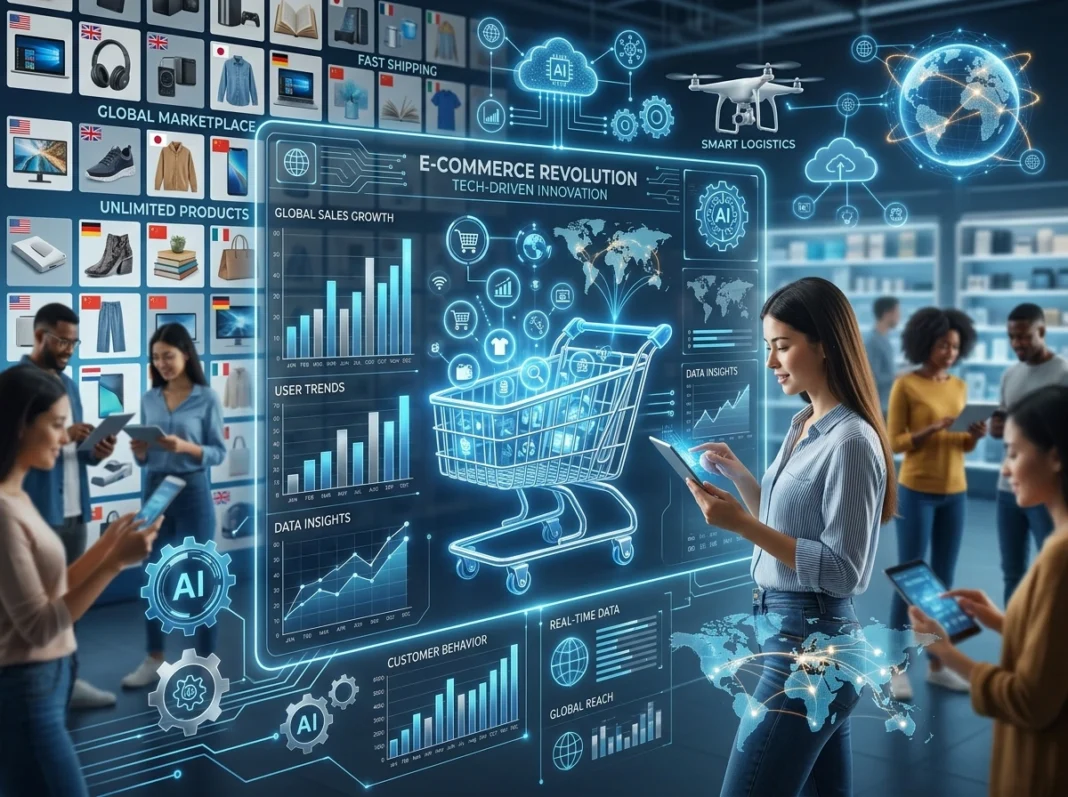
The e-commerce landscape changes rapidly, demanding more than just a functional digital storefront to capture consumer attention. Shoppers now expect seamless, highly personalized interactions that rival in-store experiences. Behind the scenes, retailers face mounting pressure to process orders instantly, manage complex supply chains, and forecast demand with pinpoint accuracy.
To meet these escalating demands, innovative technology solutions are actively reshaping how online retail operates from the ground up. We are witnessing a fundamental shift in user experience, backend efficiency, and adaptation to shifting market trends. By understanding how these technological pillars interlock, you can position your retail operations for sustainable growth and outpace the competition.
The Shift from Transactional to Experiential Commerce
For years, online shopping focused heavily on the final transaction. You found a product, added it to a cart, and paid. Now, the focus has shifted entirely to the customer journey. Consumers want an experience that feels tailored, intuitive, and engaging.
Hyper-Personalization at Scale
Generic product recommendations no longer cut it. Modern technology platforms analyze thousands of data points in real time to understand what a customer actually wants before they even click. This involves tracking browsing behavior, purchase history, and even the time of day a user logs on.
When you leverage advanced data analytics, your storefront can dynamically adjust its layout, messaging, and product displays for each individual visitor. This level of hyper-personalization dramatically increases conversion rates. Customers feel understood, which builds brand loyalty and reduces the friction typically associated with finding the right product.
Immersive Shopping Interfaces
We also see a massive leap in how products are displayed. Static images and simple text descriptions leave too much to the imagination, leading to higher return rates and hesitant buyers. By integrating augmented reality and interactive 3D models, brands allow consumers to visualize products in their own space.
Whether a shopper wants to see how a new sofa fits in their living room or how a pair of glasses looks on their face, immersive interfaces bridge the gap between physical and digital retail. These tools keep users on your site longer and give them the confidence they need to complete a purchase.
Streamlining Backend Efficiency
A beautiful frontend experience falls apart if the backend cannot support it. Behind every successful e-commerce operation is a highly efficient, automated infrastructure. Transforming your backend processes is just as critical as optimizing your website design.
Intelligent Inventory Management
Stockouts and overstocking drain profitability. Traditional inventory management relies on historical data and manual forecasting, which often fail to account for sudden market shifts or viral trends. Intelligent systems use machine learning algorithms to predict demand with incredible accuracy.
These systems analyze external factors—ranging from weather patterns to social media trends—to anticipate exactly what inventory you will need and when. By optimizing stock levels across multiple warehouses, you reduce holding costs and ensure products are always available when customers want them.
Automated Order Fulfillment
Speed is a massive differentiator in modern retail. Customers expect fast, reliable shipping, often within two days or less. Meeting this expectation requires a fulfillment process that operates without bottlenecks.
Automation plays a critical role here. From robotic picking systems in warehouses to automated label generation and carrier selection, technology eliminates manual errors and speeds up the entire fulfillment cycle. When you automate these repetitive tasks, your team can focus on higher-level strategy and customer service, rather than getting bogged down in logistical hurdles.
Adapting to Emerging Market Trends
The most successful e-commerce brands do not just react to the market; they anticipate where it is going next. Staying ahead requires a flexible technology stack that can quickly adapt to new consumer behaviors and industry standards.
Omnichannel Synchronization
Consumers rarely follow a straight line to a purchase. A shopper might discover a product on social media, research it on a mobile app, and finally buy it on a desktop computer. Your brand must provide a continuous experience across all these touchpoints.
True omnichannel synchronization means your inventory, pricing, and customer profiles update instantly across every platform. If a customer adds an item to their cart on their phone, it must be waiting for them when they log in on their laptop. This seamless transition prevents abandoned carts and creates a cohesive brand experience that builds trust.
Sustainable and Transparent Supply Chains
Modern consumers care deeply about where their products come from and how they are made. They want transparency regarding sourcing, manufacturing, and carbon footprints. Retailers must provide this information clearly and accurately to win consumer trust.
Blockchain and advanced tracking technologies allow brands to trace a product’s journey from raw material to the final delivery. By providing this visibility, you not only satisfy consumer demand for sustainability but also identify inefficiencies within your own supply chain. Transparent operations reduce waste, improve vendor accountability, and resonate strongly with eco-conscious buyers.
Integrating Next-Generation Solutions
Upgrading an e-commerce platform can feel daunting. The key is to implement solutions that integrate smoothly with your existing architecture while providing the flexibility to scale. You need partners and tools that understand the nuanced demands of modern retail.
For example, platforms that specialize in robust digital transformations offer modular tools that address specific pain points, whether that involves optimizing site speed or overhauling your payment gateways. Companies looking to implement these advanced architectures often turn to specialized providers. Integrating tech lein into your operational strategy can provide the targeted technological support needed to bridge the gap between your current capabilities and future goals. Choosing the right technological foundation ensures that as your business grows, your infrastructure scales effortlessly alongside it.
The Financial Impact of Technological Integration
Investing in new e-commerce technology is not just about keeping up appearances; it directly impacts your bottom line. Let us examine how these upgrades translate into measurable financial success.
Reducing Operational Costs
Manual processes are expensive and prone to error. Every time a human has to intervene to correct a shipping address, update an inventory log, or process a standard return, it costs your business money. Automation drastically reduces these operational expenses. By streamlining backend workflows, you lower your cost per acquisition and increase your overall profit margins.
Boosting Customer Lifetime Value
Acquiring a new customer is significantly more expensive than retaining an existing one. The technologies we have discussed—hyper-personalization, immersive interfaces, and seamless omnichannel experiences—all contribute to higher customer satisfaction.
When shoppers have a frictionless experience that makes them feel valued, they return. They also spend more per order and become vocal advocates for your brand. By focusing on the entire customer lifecycle through technology, you maximize the lifetime value of every individual who interacts with your store.
Preparing for the Future of Online Retail
The pace of innovation in e-commerce will only accelerate. We are moving toward an era where artificial intelligence, voice commerce, and predictive analytics will become baseline requirements rather than competitive advantages.
To thrive, you must adopt a mindset of continuous optimization. Regularly audit your technology stack to identify bottlenecks and areas for improvement. Listen closely to customer feedback and use data to guide your strategic decisions.
Embracing these technological transformations requires commitment and a willingness to adapt. However, the rewards are immense. By prioritizing user experience, streamlining your backend operations, and staying agile in the face of changing market trends, you build a resilient e-commerce business fully equipped for the future.
Assess your current digital infrastructure today. Identify one key area—whether it is your inventory management software, your checkout process, or your personalization engine—and outline a clear plan to modernize it. The future of retail belongs to those who act decisively and leverage technology to its fullest potential.