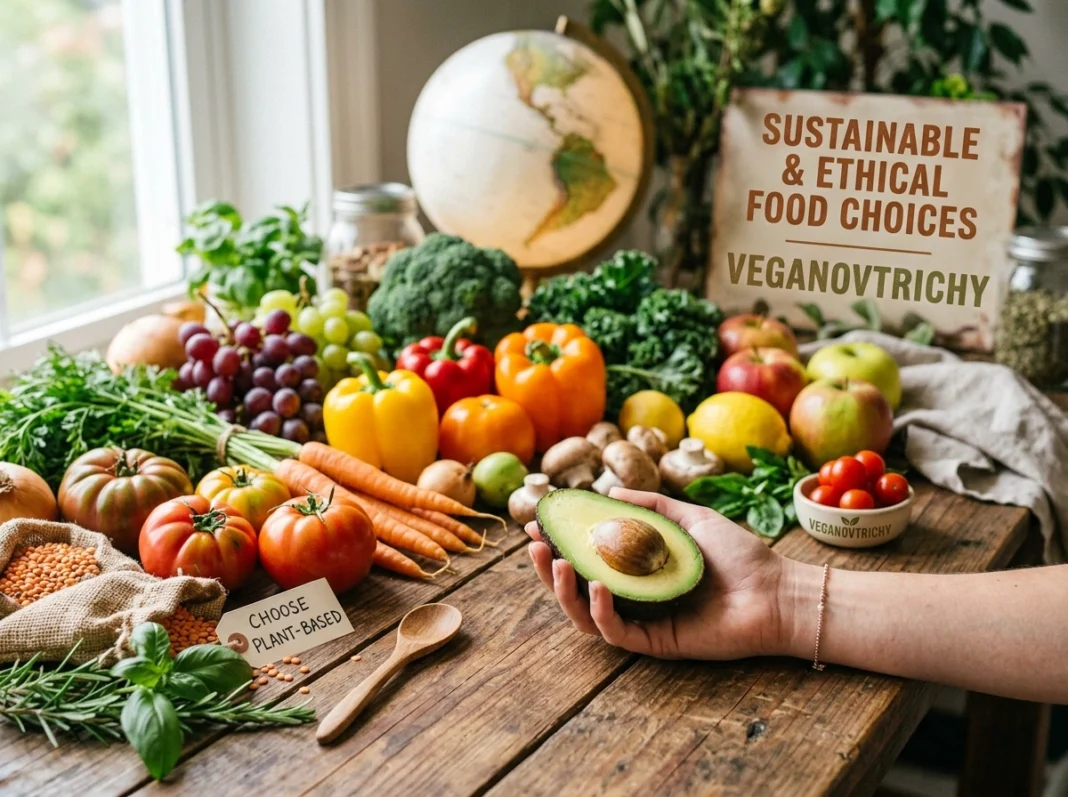
Food shapes more than your plate. It influences farmland, water supplies, animal welfare, and the working conditions of people across long supply chains. Yet most of us rarely think about the journey our meals take before they reach us. That gap between eating and understanding is exactly where thoughtful food brands can make a real difference.
This article explains how Veganovtrichy supports sustainable and ethical eating. You will learn how the brand promotes plant-based choices, sources ingredients responsibly, reduces environmental harm, and helps everyday consumers make better decisions. By the end, you will have practical ideas you can apply to your own habits.
Why Sustainable and Ethical Eating Matters
The way we produce food has a heavy footprint. Agriculture uses a large share of the world’s fresh water and contributes a significant portion of global greenhouse gas emissions. Animal farming, in particular, demands more land, feed, and water per calorie than most plant crops.
Ethics matter too. Food systems involve animal welfare concerns and the rights of farmers and workers. When supply chains stay hidden, harmful practices often go unchecked. Choosing better food is not only about health. It is about fairness and long-term care for the planet.
That is why brands committed to responsible food habits play such an important role. They turn complex problems into simple, accessible choices for ordinary people.
Championing Plant-Based Choices
Plant-based eating sits at the heart of sustainable food. Crops like legumes, grains, vegetables, and nuts generally require fewer resources than animal products. They also tend to produce lower emissions across their lifecycle.
Veganovtrichy makes plant-based living easier by offering options that feel familiar and satisfying. Instead of asking people to give up flavor or comfort, the brand focuses on tasty alternatives that fit into daily routines. This approach lowers the barrier for newcomers who feel unsure about changing their diet.
Small shifts add up. Replacing a few meat-heavy meals each week with plant-based dishes can meaningfully reduce your personal footprint. By making these meals appealing, the brand encourages lasting change rather than short-lived experiments.
Making the Transition Approachable
Many people abandon dietary changes because they feel overwhelming. A gradual, supportive approach works far better. Helpful strategies include:
- Starting with one plant-based meal per day
- Choosing recognizable flavors before trying bold new ones
- Stocking simple pantry staples like beans, lentils, and grains
- Treating the shift as progress, not perfection
When a brand frames change this way, it builds confidence. People stay motivated because they see results without feeling deprived.
Responsible and Ethical Sourcing
Where ingredients come from matters as much as what they are. Ethical sourcing means working with suppliers who treat workers fairly, respect the land, and avoid exploitative practices. It also means valuing transparency so customers can trust what they buy.
A commitment to responsible sourcing shows up in clear ways. It includes prioritizing ingredients grown with care, supporting fair treatment along the supply chain, and reducing reliance on resource-heavy products. You can explore this philosophy further through veganovtrichy, which highlights how mindful sourcing connects to broader sustainability goals.
Ethical sourcing also strengthens local communities. When brands support responsible growers, they help create stable livelihoods and encourage farming methods that protect soil and biodiversity. These benefits ripple outward, far beyond a single meal.
Reducing Environmental Impact
Every food choice carries an environmental cost, but those costs vary widely. Plant-based options usually demand less land and water while generating fewer emissions. Cutting waste and packaging adds further savings.
Veganovtrichy supports lower-impact eating through several practical principles:
- Favoring plant ingredients that require fewer natural resources.
- Minimizing food waste by encouraging sensible portions and full ingredient use.
- Promoting mindful consumption so customers buy what they truly need.
- Encouraging seasonal awareness, which reduces the strain of out-of-season demand.
These steps may seem modest on their own. Combined across many customers, they create a powerful effect. Sustainable habits scale beautifully when many people adopt them together.
A Simple Before-and-After Example
Picture a typical week of meals built around meat at lunch and dinner. The water and land use add up quickly, and emissions climb with every serving.
Now picture that same week with plant-based swaps three or four times. The resource demand drops noticeably, food costs often shrink, and meals stay varied and enjoyable. This is the kind of practical shift that turns good intentions into measurable change.
Building Consumer Awareness
Knowledge drives better decisions. Many people want to eat responsibly but lack clear, trustworthy information. They face confusing labels, conflicting advice, and marketing noise that hides real impact.
A responsible food brand helps cut through that confusion. By sharing honest information about ingredients and sourcing, it empowers customers to choose with confidence. Awareness transforms passive shoppers into informed participants in a healthier food system.
Veganovtrichy supports this awareness by keeping its message simple and grounded. Rather than overwhelming people with technical jargon, it focuses on what choices mean in practical terms. When customers understand the “why” behind a recommendation, they are far more likely to follow through.
Common Mistakes Consumers Make
Even well-meaning eaters slip into avoidable traps. Watch out for these:
- Assuming all products are equal without checking sourcing
- Overbuying and then wasting fresh food
- Ignoring portion sizes, which inflates both cost and waste
- Treating sustainability as all-or-nothing instead of steady progress
Recognizing these patterns is the first step toward fixing them. Awareness turns guilt into action.
How the Brand Supports Responsible Food Habits
Lasting change depends on habits, not occasional effort. The strongest food brands help customers build routines that stick. They make the responsible choice the easy choice.
Veganovtrichy encourages responsible habits in several ways. It offers accessible plant-based options that fit busy lives. It emphasizes transparency so trust grows naturally. And it frames sustainable eating as a positive, rewarding journey rather than a sacrifice.
This mindset matters. People rarely maintain habits that feel like punishment. When eating well feels enjoyable and meaningful, it becomes part of daily life. That is the foundation of genuine, long-term change.
Practical Steps You Can Take Today
You do not need to overhaul your life overnight. Small, consistent actions deliver the biggest results over time. Try these starting points:
- Choose one plant-based meal each day this week.
- Read labels and ask where your food comes from.
- Plan meals to reduce waste and overbuying.
- Support brands that value transparency and ethics.
- Celebrate progress instead of chasing perfection.
Each action strengthens your habits and reduces your footprint. Together, they help build a food culture rooted in care and responsibility.
Conclusion
Sustainable and ethical eating is no longer a niche idea. It is a practical response to real pressures on our planet and our communities. By promoting plant-based choices, responsible sourcing, lower environmental impact, and stronger consumer awareness, Veganovtrichy helps make better food habits achievable for everyone.
The most important takeaway is simple: change happens through steady, doable steps. You do not need to be perfect to make a difference. Start with one mindful choice today, and let those choices grow into lasting habits that benefit both you and the world around you.